
Eloa Cristina Pimentel Murder Case
Murder
On 13 October 2008, an incident in the city of Santo André, located in the state of São Paulo, Brazil, became one of the most tragic and most widely discussed hostage crises in the country’s recent history. Fifteen-year-old high school student Eloá Cristina Pimentel was held hostage for more than 100 hours by her ex-boyfriend, Lindemberg Alves de Oliveira, and was ultimately shot in the head and killed. During the incident, Eloá’s friend Nayara Rodrigues was rescued with injuries.
Contents
- Who Is Eloá Cristina Pimentel?
- How Eloá and Lindemberg Met
- The End of the Relationship and Threats
- A Few Days Before the Incident
- Day of the Incident: Monday, 13 October 2008
- Day 2: Tuesday, 14 October 2008 – "Hope Fades, Media Goes Wild"
- Day 3: Wednesday, 15 October 2008 – "Sleepless Night"
- Day 4: Thursday, 16 October 2008 – "No Strength Left to Endure"
- Day 5: Friday, 17 October 2008 – "Final Hours"
- Analysis of the Murder of Eloá Cristina Pimentel
- Murder of Eloá Cristina Pimentel: Conclusion
- Psychological Profile Analysis of Lindemberg Alves Fernandes
Who Is Eloá Cristina Pimentel?
Eloá Cristina Pimentel, whose full name was Eloá Cristina Correa Pimentel, was born on 23 September 1993 in the city of Santo André, in the state of São Paulo, Brazil. On 13 October 2008, she was only 15 years and 20 days old, and until the most tragic day of her life, she was an ordinary, cheerful high school student with dreams.
Her family was a modest working-class family. Her father, Everaldo de Brito Pimentel, worked in a factory, and her mother, Ana Cristina Correa Pimentel, was a homemaker. Eloá had a younger brother (Diego). The family lived in a modest apartment in the Jardim Santo André neighborhood of Santo André, which was also the apartment where the hostage crisis took place.
Eloá was a first-year student (ensino médio) at the public high school Colégio Público Professor Álvaro Gonçalves in the area. Her friends described her as “smiling, helpful, a bit shy but very affectionate.” She was an average student; not exceptional academically, yet she had no disciplinary issues. Her biggest dream was to become a nurse; as a child, she loved dressing neighbors’ wounds.
How Eloá and Lindemberg Met
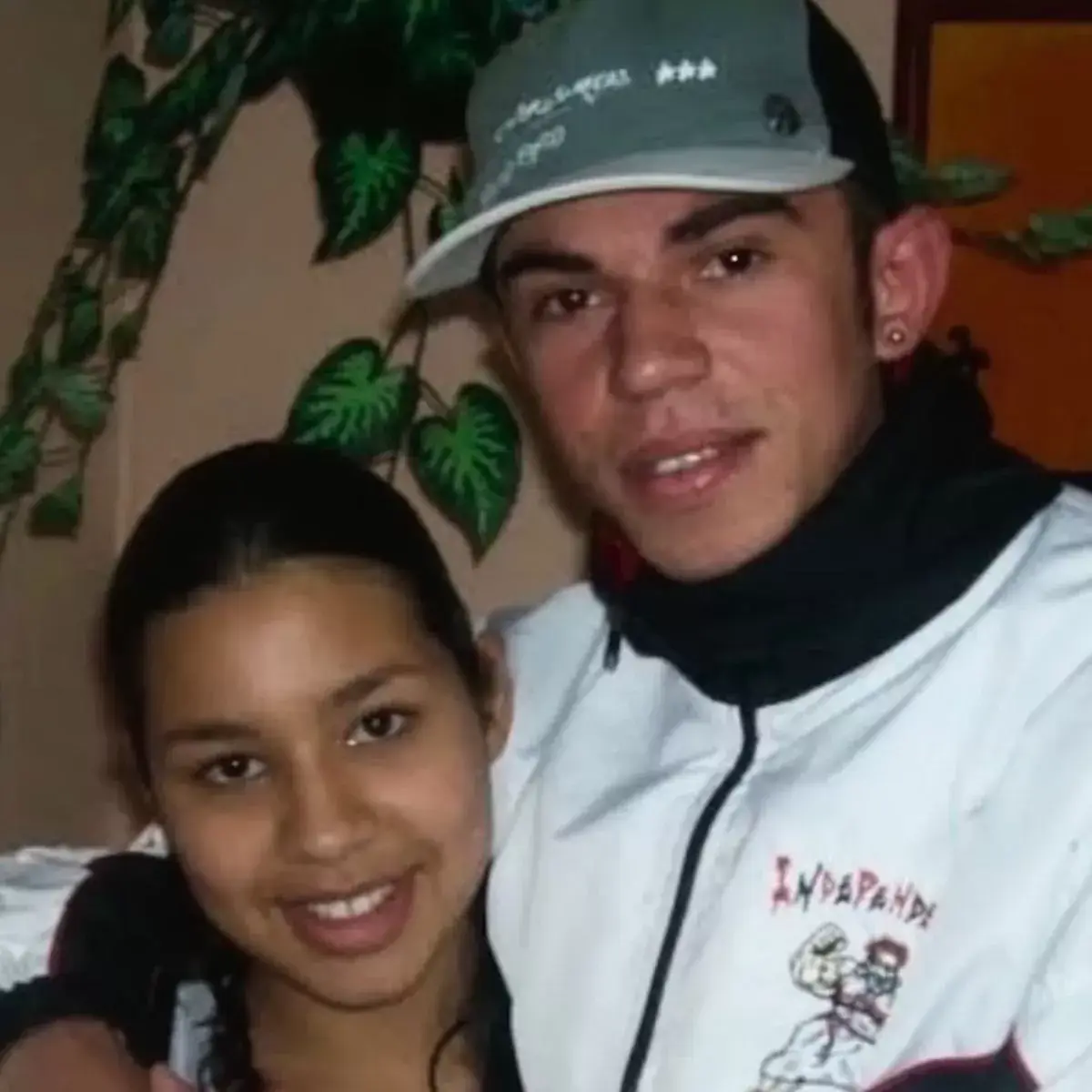
In early 2007, when Eloá was just 13, she met 20-year-old Lindemberg Alves de Oliveira. At that time, Lindemberg worked in the storage section of a grocery store and was friends with Eloá’s cousins. Although her family initially felt Eloá was too young, the relationship continued secretly for a while. By the summer of 2007, the relationship became official and lasted for about a year and a half.
During this period, Eloá’s life changed significantly:
- She styled her hair the way Lindemberg wanted (long and straight).
- Her social circle shrank; due to his jealous outbursts, Lindemberg prevented Eloá from seeing most of her friends.
- He constantly sent messages to her phone, asked where she was, and sometimes came to her house at night to check on her through the window.
The End of the Relationship and Threats
In the summer of 2008 (around July–August), Eloá decided to end the relationship. Lindemberg refused to accept this. Threatening messages began:
,,
If you leave me, I will kill myself. I won’t let anyone else have you. We will die together.
Lindemberg Alves de Oliveira, Summer 2008
At school, Eloá showed these messages to her friends and said she was scared. Her mother, Ana Cristina, recounted that Lindemberg came to their home several times, begging Eloá to come back and making her cry. The family considered reporting him to the police but eventually dismissed it as a “childish lovers’ quarrel.”
A Few Days Before the Incident
On the morning of Monday, 13 October 2008, Eloá was just an ordinary teenage girl:
- She went to school in the morning and returned home during lunch break to study with her friends.
- She was doing homework in the apartment with Nayara, Ingrid, and another friend.
- Her mother had gone out that day to look for a job, while her father was at the factory.
No one could have imagined that within a few hours, Eloá’s name would become tied to one of the longest hostage crises in Brazilian history.
In her short 15 years and 20 days of life, Eloá Cristina Pimentel was simply an ordinary girl: attending school, dreaming of becoming a nurse, loving her family, experiencing her first heartbreak… until the moment Lindemberg Alves knocked on the door with a gun.
Day of the Incident: Monday, 13 October 2008
13 October 2008 began as an ordinary spring day in the city of Santo André in São Paulo, but within hours, it turned into one of Brazil’s longest hostage crises. Here is what happened on that day, minute by minute:
08:00 – 12:00
Eloá Cristina Pimentel went to school as usual. She attended the morning classes at Colégio Público Professor Álvaro Gonçalves. She and her friends, including Nayara Rodrigues, had planned to do homework together in the afternoon.

Around 13:00
After school, Eloá and her three friends (Nayara Rodrigues, Ingrid Bueno, and Victória) arrived at the apartment. The four girls were sitting in the kitchen, eating sandwiches and studying. Eloá’s mother, Ana Cristina, was not at home at the time (she had gone to a job interview), and her father was working at the factory.
13:30 – Lindemberg knocked on the door
Lindemberg Alves de Oliveira arrived carrying a sports bag. Inside the bag were a .38 caliber revolver and a real hand grenade (weapons he took from his father).
Eloá opened the door. As soon as Lindemberg entered, he pulled out the gun and said, “Nobody scream, or I’ll kill all of you.”
13:35 – First panic
The girls froze in fear. Lindemberg threatened Ingrid and Victória and ordered them to leave the apartment. Both ran out crying and immediately informed the neighbors waiting downstairs.
13:40 – Neighbors called the police
Neighbors gathered at the entrance of the building and called 190 (Brazil’s emergency police line). The first team to arrive consisted of plainclothes officers.
13:45 – The apartment was fully surrounded
Lindemberg saw the police from the window and yelled, “Eloá stays with me, nobody comes closer!” From that moment, Eloá and Nayara were officially hostages.
14:00 – GATE (Brazil’s SWAT team) was called
Realizing the seriousness of the situation, the Santo André Military Police Command immediately dispatched GATE (Grupo de Ações Táticas Especiais). The fully armed special forces team surrounded the building.
14:30 – First phone calls
Using Eloá’s cell phone, Lindemberg began calling her family and friends. He told her mother, “I love Eloá so much, I can’t live without her.” He also turned on the TV and saw that the incident was being broadcast on the news.
Around 17:00 – First release
After about 3.5 hours of negotiation, Lindemberg released Nayara. Crying, she went downstairs and told the police, “Eloá is very scared, Lindemberg never puts the gun down.”
18:30 – Media frenzy began
Major TV channels such as Rede Globo, Record TV, SBT, and Band switched to live coverage. The front of the building filled with cameras and satellite trucks. Helicopters circled above.
20:00 – Nayara “returns”
During the evening news, Nayara appeared live and said, “Eloá is calling for me, I want to go back.” The police initially tried to stop her but later allowed it. Nayara went back up to the apartment carrying pizza boxes (this scene was broadcast all over Brazil).
22:00 – The first night
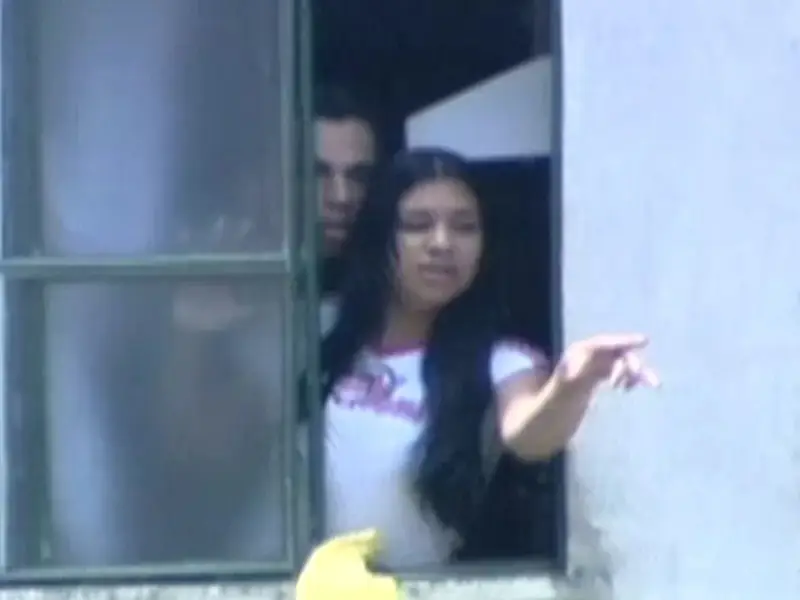
Lindemberg continued speaking to the police on the phone. He repeatedly said, “If Eloá forgives me, I will surrender.” He leaned out of the window waving at journalists and occasionally brought Eloá to the window as well. The fear and exhaustion on her face were clear.
01:00 – 03:00
Lindemberg drank energy drinks to stay awake and made the girls eat pizza. Eloá and Nayara lay on the floor while he sat on a chair holding the gun. Voice recordings later revealed Eloá pleading, “Lindemberg, let me go, please,” during these hours.
Thus ended Monday, 13 October 2008. But the real nightmare was only beginning; the crisis would last a full 100 hours.
Day 2: Tuesday, 14 October 2008 – “Hope Fades, Media Goes Wild”
The second day of the hostage crisis had turned into a full-scale reality show for Brazil. Lindemberg had now become “famous” nationwide; people rushed home from work and school to sit in front of their TVs. Eloá and Nayara had been trapped in the same apartment for more than 24 hours, held under the shadow of a gun.
07:00 AM – Sunrise
There were still hundreds of journalists, police officers, and curious onlookers in front of the building. No one had slept through the night. Lindemberg leaned out the window and shouted, “Good morning, Brazil!” Some journalists applauded — a moment that would be heavily criticized for years.
09:00 – Nayara’s live-broadcast scandal
Record TV host Marcelo Rezende brought Nayara into the studio and connected her with Lindemberg live on air.
Rezende: “Lindemberg, does Eloá still love you?”
Lindemberg: “Of course she does, right Eloá?”
Eloá’s trembling voice: “Yes… I love you…”
Millions watched this conversation. Psychologists immediately commented that this was a clear early sign of Stockholm Syndrome.
11:00 – Lindemberg’s “gifts”
Lindemberg gave the police a list:
- 6 cans of Red Bull
- 2 large pizzas
- 1 bottle of whiskey
- Chocolate and biscuits
The police accepted everything and handed it to Nayara, sending her back upstairs. The footage was broadcast live once again.
13:30 – The 24th hour passed
No hostage crisis in Brazil had ever lasted this long. GATE commander Colonel Eduardo Felix stated, “We must be patient; we cannot risk the girls’ lives,” but the pressure was rising.
15:00 – Eloá’s mother pleads
Ana Cristina Correa Pimentel cried in front of the microphones and called out to Lindemberg:
“Lindemberg, my son… please let Eloá go. We will forgive you, I promise.”
Lindemberg responded from the window: “Mom, if Eloá leaves me, I will kill myself.”
17:00 – First serious crisis
Suddenly enraged, Lindemberg pulled the pin of a hand grenade and dangled it from the window:
“Everyone step back or I’ll blow it up!”
GATE snipers took position, but the commander did not give the order to fire.
19:00 – The “lover” pose
Lindemberg lifted Eloá onto his lap, stepped out to the window, and kissed her. The camera zoomed in; the photo became the front page of every newspaper. Eloá’s empty, distant look became one of the unforgettable images of the case.
21:00 – Nayara is released again (for the second time)
This time, Lindemberg actually sent Nayara downstairs. She ran to her mother and hugged her tightly. She told the journalists:
,,
Eloá is very tired, she keeps crying. Lindemberg tells her, “If I surrender to the police, I will never see you again.” And out of fear, Eloá says, “Okay, let’s stay together.”
Nayara, October 14, 2008
23:00 – Second night
Now only Eloá was in the apartment. Alone with Lindemberg.
Lindemberg watched news reports about himself on TV and laughed. He said to Eloá, “Look, we’re famous now.”
In the last footage taken of Eloá that night, her face was swollen and her eyes were bright red.
Thus ended Tuesday, October 14. The crisis was at its 36th hour, and there was still no solution. Brazil was holding its breath, waiting for Day 3…

Day 3: October 15, 2008, Wednesday – “Sleepless Night”
Eloá is sleeping on the floor on a thin blanket. Dark circles under her eyes, her hair messy. Lindemberg is awake, never letting go of the gun. The apartment is dark and airless.
09:15
Lindemberg answers the phone. On the other end is Luiz Carlos Barbon again (a famous TV producer). Barbon had talked with him for 4 hours on Day 2, and now he stepped in once more.
Barbon: “Lindemberg, if you really love Eloá, don’t hurt her. Let her go.”
Lindemberg, on the verge of tears: “She can’t live without me, and I can’t live without her.”
Eloá wakes up and says in a trembling voice: “I miss my mommy so much…”
13:00
The police leave two boxes of pizza at the door. Lindemberg opens the door slightly and takes the pizzas.
He gives Eloá one slice. The two of them sit on the floor and eat silently.
This moment is seen live on TV; a faint smile briefly appears on Eloá’s face. Millions in Brazil watch it and begin to hope: “Maybe it will end today.”
15:00 – The biggest mistake is made here
Lindemberg allowed Eloa’s closest friend, Nayara (16), back into the apartment.
Nayara had stayed only one hour on the second day (October 14) and then left. This time, the police intended to use Nayara as a “bridge” to distract Lindemberg.
As soon as Nayara entered, Eloa hugged her and started crying. The two girls whispered to each other on the floor.
At one point, Lindemberg went to the bathroom → leaving them completely alone for 3 minutes.
During those 3 minutes, the girls could have run to the door and escaped. But they didn’t. Following police instructions, Nayara said, “Stay calm, let’s talk a little more.”
18:30
Lindemberg suddenly gets angry:
“I don’t want to talk to anyone anymore! If Eloa doesn’t agree to marry me within an hour, you’ll all see!”
Eloa begs: “Please Lind, don’t…”
19:30
The police take Nayara outside. As soon as she exits the door, she shouts live on TV:
“Eloa is very scared, you need to go in immediately! Please, right now!”
This statement resonates across Brazil. Everyone expects the confrontation to happen that evening.
20:00 – 23:59
Lindemberg completely turns off the phone. Outside, there is total silence. The police still say “wait.” Throughout the night, the apartment lights are on, but no other sounds are heard.
Thus, the third day ends.
Day 4: October 16, 2008, Thursday – "No Strength Left"
Day four begins, and Eloa has now been held hostage for a full 76 hours.
06:00
Eloa’s voice is now barely audible. On live TV, microphones can just barely pick up her saying, “Water… I want water.”
Lindemberg gives her half a glass of water, but his own lips are cracked from thirst.
08:30
The police extend a PET bottle of water tied to a rope through the window. Lindemberg opens the window slightly and takes the bottle but doesn’t give it to Eloa; he drinks it himself.
Eloa curls up on the floor, her eyes half-closed.
10:15
TV channels now openly criticize the police:
“Why haven’t you gone in after 76 hours?!”
The crowd gathered on the street shouts, “Save Eloa!” Thousands of people are in front of the apartment.
13:00
Lindemberg answers the phone. On the line is Brazil’s most famous police psychologist, Dr. Damásio.
Damásio: “Lindemberg, if you surrender, you’ll be a hero. Release Eloa.”
Lindemberg’s response: “I’m already dead… Eloa will die with me.”
He hangs up the phone.
15:40
Eloa’s mother, Everilda, kneels live on TV and begs:
“Lindemberg, I beg you, give me my daughter… I’ll do anything you want, I will forgive you…”
Lindemberg watches this on television but gives no reaction.
18:00
The apartment’s electricity is cut (police tactic). Inside is completely dark.
Only Lindemberg’s cellphone light is on.
Eloa’s moans are heard: “I’m scared… turn on the light…”
20:30
Lindemberg calls again, this time in a very calm voice:
“Let Eloa say ‘I love you’ to me one last time, then I’ll do whatever you want.”
Eloa, in a tired whisper: “I… love you…”
Lindemberg falls silent. For 10 minutes, there is no sound.
22:15
The police insert a robot camera under the door. The footage shows Lindemberg asleep on the couch with the gun on his lap.
Eloa lies on the floor, motionless.
The GATE commander says, “We’re going in now”, but his superiors again order, “No, wait.”
This moment would become one of the most criticized events for years.
23:59
The 4th day ends.
There is still no raid.
Eloa has been held hostage for 83 hours and 29 minutes.
Brazil remains awake, with live broadcasts on TV.
Everyone says, “Tomorrow it will surely end.”
5th Day: October 17, 2008, Friday - "The Final Hours"
From the 68th hour to the 100th hour. Eloa was held hostage for exactly 100 hours and 4 minutes.
06:00
Eloa’s mother, Everilda, cries and begs live in front of the apartment:
“Give me my daughter… Lindemberg, I beg you, she can’t take it anymore…”
08:00
Eloa’s voice is almost completely gone. The microphones only pick up her rasping.
Lindemberg is also exhausted, eyes bloodshot, barely slept for 5 days.
10:00 – The Most Criticized Moment
The police robot camera enters under the door again.
The footage shows Lindemberg slumped on the couch, gun on his lap, and Eloa lying motionless on the floor.
The GATE team says, “We’re going in now, it will be over in 10 seconds.”
But the command again responds, “No, wait, he might surrender.”
This decision would be debated for years.
12:30
Lindemberg wakes up and answers the phone. His voice is very tired:
“It’s over now… Eloa will be with me, there’s no other way.”
14:00
The television channels were in chaos:
“Approaching 100 hours, why haven’t you gone in yet?!”
More than 5,000 people had gathered in front of the apartment, shouting “Murderers!” at the police.
16:15
São Paulo Governor José Serra intervenes and finally gives the order for the raid.
The GATE team takes position.
17:00
Lindemberg makes one last phone call:
“Eloa said ‘I love you’ to me… that’s enough. Everything is over now.”
17:29
The door is blown open with explosives.
Sound grenades go off.
Lindemberg wakes up and fires two shots immediately:
- The first bullet hits Eloa in the mouth.
- The second bullet hits Eloa in the head.
17:31
The police enter. They shoot Lindemberg first in the leg, then in the arm.
Lindemberg collapses to the ground, dropping his gun.
17:34
Eloa is placed on a stretcher. Her heart is still beating, but very weak.
17:38
The ambulance heads to the hospital. On the way, Eloa’s heart stops once, but is revived.
18:47
Hospital Albert Einstein
The doctor officially announces:
“Eloa Cristina Pimentel passed away at 18:47.”
Lindemberg is taken to surgery in the same hospital. When he regains consciousness, his first words are: “Where is Eloa?”
That evening, television in Brazil went silent.
Tens of thousands of people cried in the streets.
The 100-hour, 4-minute hostage crisis ended with the death of a 15-year-old girl.
Eloa’s last words captured by microphones:
,,
“Mom… I want to go home…”
Eloa Cristina Pimentel, October 17, 2008, last words.
Analysis of the Murder of Eloa Cristina Pimentel
- October 13, 2008, Monday 13:30 → October 17, 2008, Friday 18:47
- Total duration: 100 hours 4 minutes.
- Outcome: Eloa (15) was shot in the head and mouth and killed.
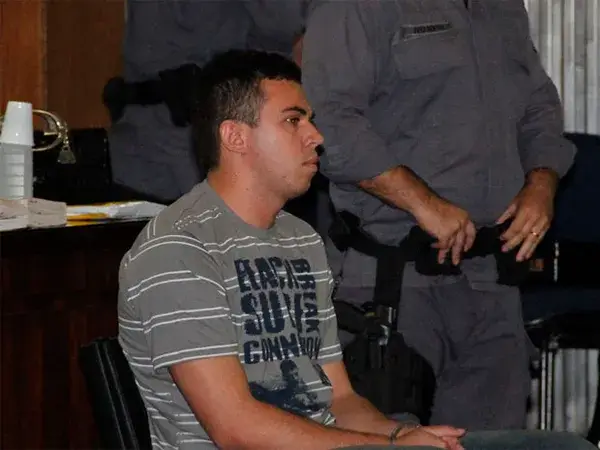
- Lindemberg Alves (22) received a 98-year 10-month prison sentence in 2012.
Why Did Eloa Die? (Primary Causes Ranked)
- The police did not raid for 100 hours
- On Day 4 at 22:15, Lindemberg fell asleep → gun in lap, Eloa on the floor → could have ended in 10 seconds. No intervention.
- On Day 5 at 10:00, the same situation → again, no intervention.
- Nayara being sent inside again on Day 3
- The media’s live coverage and acting as negotiators
- Hosts (Sonia Abrão, Marcelo Rezende, etc.) shouted and insulted Lindemberg → further enraging him.
- TV hosts spoke 6-8 hours instead of professional police negotiators → the negotiation process completely collapsed.
- Lindemberg’s psychological state
The largest and undisputedly main culprit. GATE (São Paulo’s SWAT) said “we are going in” 4 separate times, each time the higher command said “wait.” Specifically:
Nayara had stayed only 1 hour on Day 2. On Day 3 (October 15, 18:30), police sent her back inside.
Until that moment, Lindemberg was calmly talking with his “girlfriend.” When Nayara entered, he experienced a jealousy crisis and said: “I won’t talk to anyone anymore, if she doesn’t marry me in an hour, I’ll shoot.” This was the turning point.
Globo, Record, and SBT broadcasted uninterrupted live coverage for 100 hours. Lindemberg was watching everything on TV.
Obsessive-jealous personality, 5 days without sleep, traces of alcohol + cocaine (autopsy). These are triggers, not excuses.
How Eloa Could Have Been Saved? (3 Realistic Scenarios)
- Easiest Way
- Second Easiest Way
- Alternative Way
If a silent entry had been made on Day 4 at 22:15 or Day 5 at 10:00 while Lindemberg was asleep → 99% chance of rescue.
The GATE commander later said: “It would have ended in 10 seconds, but the order never came.”
If Nayara had never been sent inside the second time. Lindemberg remained relatively calm until the evening of Day 3. After Nayara entered, he completely lost control.
If live broadcasts had been banned from Day 2 onward, Lindemberg would not have felt so much outside pressure. The Stockholm syndrome might have strengthened, increasing the chance of surrender.
The Murder of Eloa Cristina Pimentel: Conclusion
Eloa died because of the police’s excessive “patience.”
Lindemberg pulled the trigger, but the São Paulo police and media who kept the gun aimed at her for 100 hours share responsibility.
In Brazil, when people still say “Caso Eloá”, one sentence sums it up:
“If only they had gone in during those 3 minutes (alone with Nayara) or those 10 seconds (while Lindemberg was asleep)…”
Lindemberg Alves Fernandes – Psychological Profile Analysis
22 years old, as he was in 2008.
Key Personality Traits
- Obsessive-Jealous Personality (Erotomania + Pathological Jealousy)
- He saw Eloa as “my possession.”
- Even Eloa messaging other boys was “betrayal” to him.
- The sentence “Eloa cannot live without me, and I cannot live without her” is a perfect example of a symbiotic-dependent delusion.
- Poor Impulse Control + Violence Tendencies
- Previously beat and threatened Eloa, waited in front of her house.
- One week before the incident, went to Eloa’s school and said “I will kill you” (witnesses exist).
- Borderline Personality Organization (BPD traits prominent)
- Extreme fear of abandonment → world collapsed when Eloa wanted to break up.
- Severe mood swings: crying one minute, threatening the next.
- Feelings of worthlessness + suicide threats (“We will die together”).
- Narcissistic Injury
- Eloa seeing another boy was “humiliation” for him.
- Asking constantly “Do you love me?” for 100 hours → need for validation.
- Substance Use
- Autopsy and witness reports indicate cocaine + alcohol use.
- 5 days without sleep + cocaine traces → heightened paranoia and aggression.
Psychological State During the Incident (Changes Over 100 Hours)
- Days 1-2: Controlled anger, negotiating. “If she forgives me, I’ll let her go.”
- Day 3: Nayara’s second entry → jealousy crisis. “I won’t talk to anyone anymore; if she doesn’t marry me, I’ll shoot.”
- Later: Paranoia + fatigue → loss of reality. “Everyone is setting traps for me; I’m already dead.”
- Final phase: Full psychotic decompensation + suicide-directed rage. “Eloa will die with me.”
Defense Mechanisms Used
- Projection: “The real culprit is Eloa; she cheated on me.”
- Splitting: Saw Eloa as both “angel” and “whore” simultaneously.
- Primitive idealization and devaluation (typical of borderline).
- Dissociative rage outbursts.
Forensic Psychiatry Report (2010-2012 Court Process)
- Official diagnosis: “Personality disorder (borderline + narcissistic traits), antisocial tendencies.”
- No mental illness → full criminal responsibility.
- Alcohol and cocaine addiction also diagnosed.
- Court psychiatrist: “Fully conscious, acted deliberately, shows no remorse.”
Summary – Who Was Lindemberg?
- High fear of abandonment, unable to regulate emotions, tries to control through violence, easily psychotic under substance influence, 22-year-old borderline case.
- He truly “loved” Eloa, but his concept of love was about possession and destruction.
- Classic phrase: “If Eloa won’t be with me, no one will.”
Conclusion: Lindemberg was a typical “intimate partner femicide” perpetrator.
In Brazil, such cases now receive very heavy sentences under the Lei do Feminicídio; the Eloa case played a major role in passing this law.
Lindemberg is still alive, serving in Guarulhos 2 Prison. No chance of release before 2047. Prison psychologists report: “He shows no remorse, still blames Eloa.”
Keep Reading

What is Sleep Debt and How to Recover From It Naturally
Chronic fatigue, poor focus, and mood swings may be signs of sleep debt—here’s how to reverse it without medication.

The Impact of Global Warming on Daily Life
Global warming isn’t just a distant warning anymore — it’s happening now, and I feel it every day. Summers are hotter, storms are stronger, and even my grandparents notice how different the seasons have become.

BMW X7: 6-Month User Notes
I met the BMW X7 in October 2024. To be honest, I didn’t know anything about this car before seeing it at the dealership. I had no knowledge of the model’s features, its appearance, its performance—in short, nothing.